‹
›
‹
›
Detailed Dimensional Ranges for C51000 Copper Rod
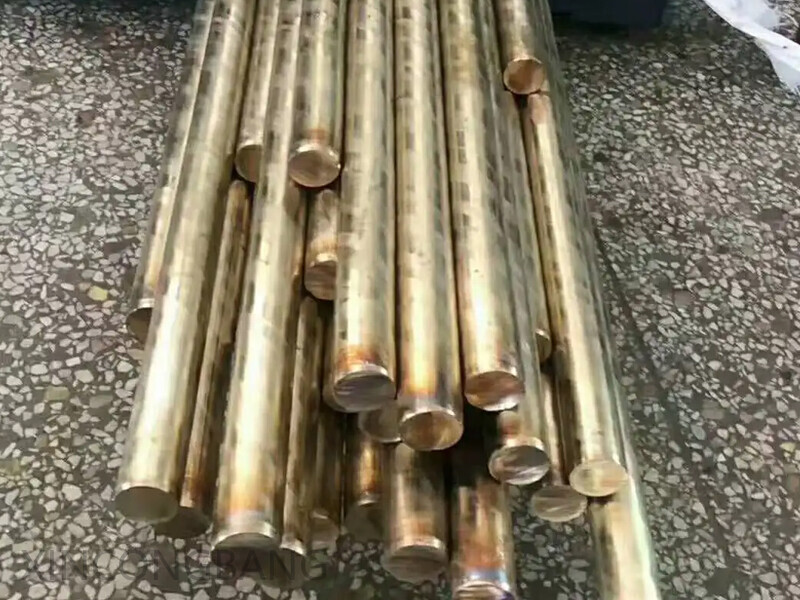
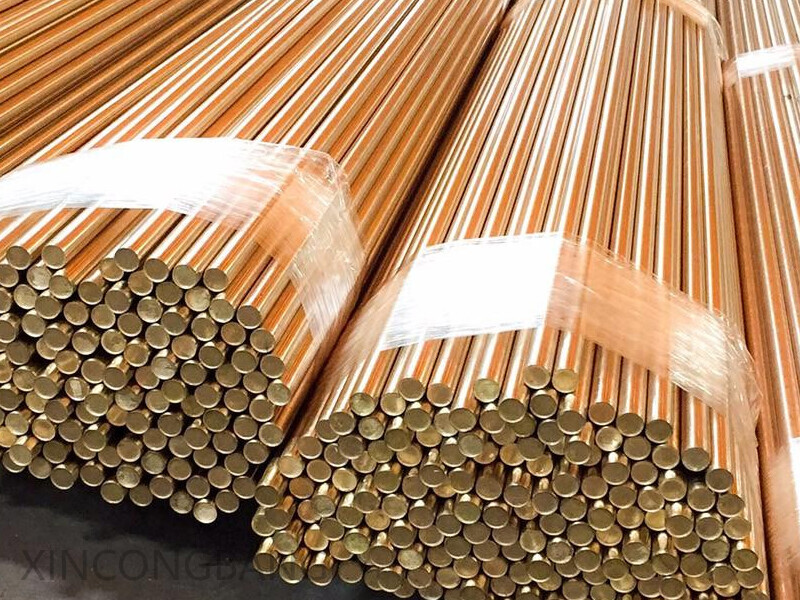
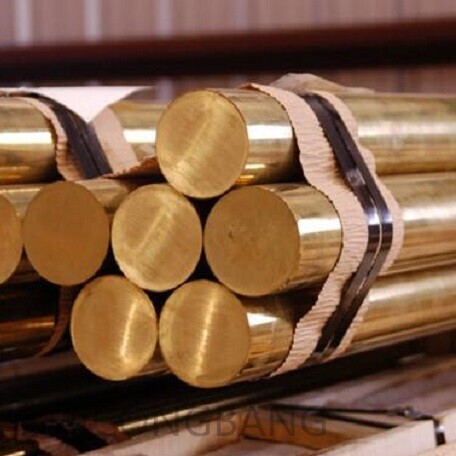
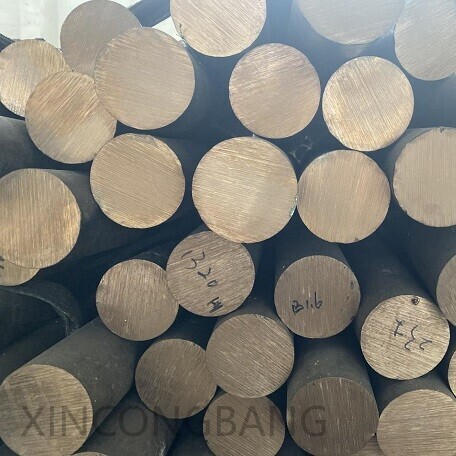
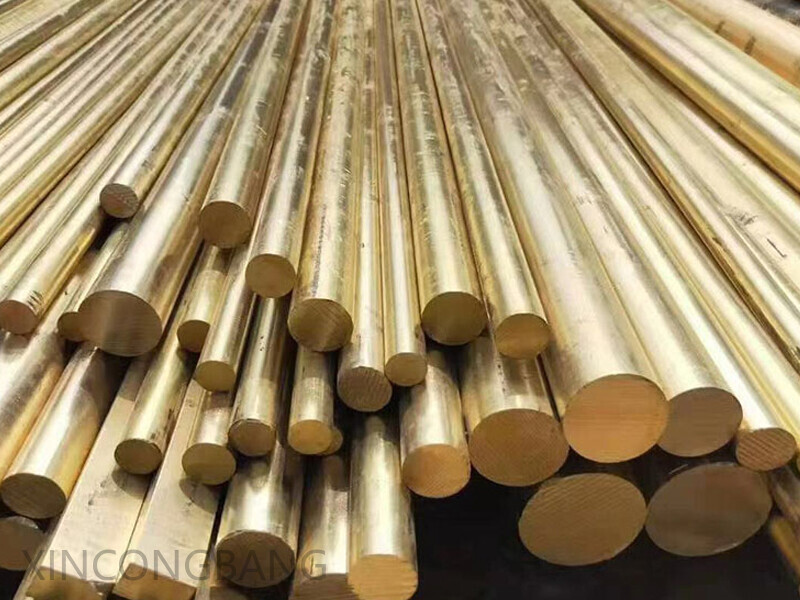
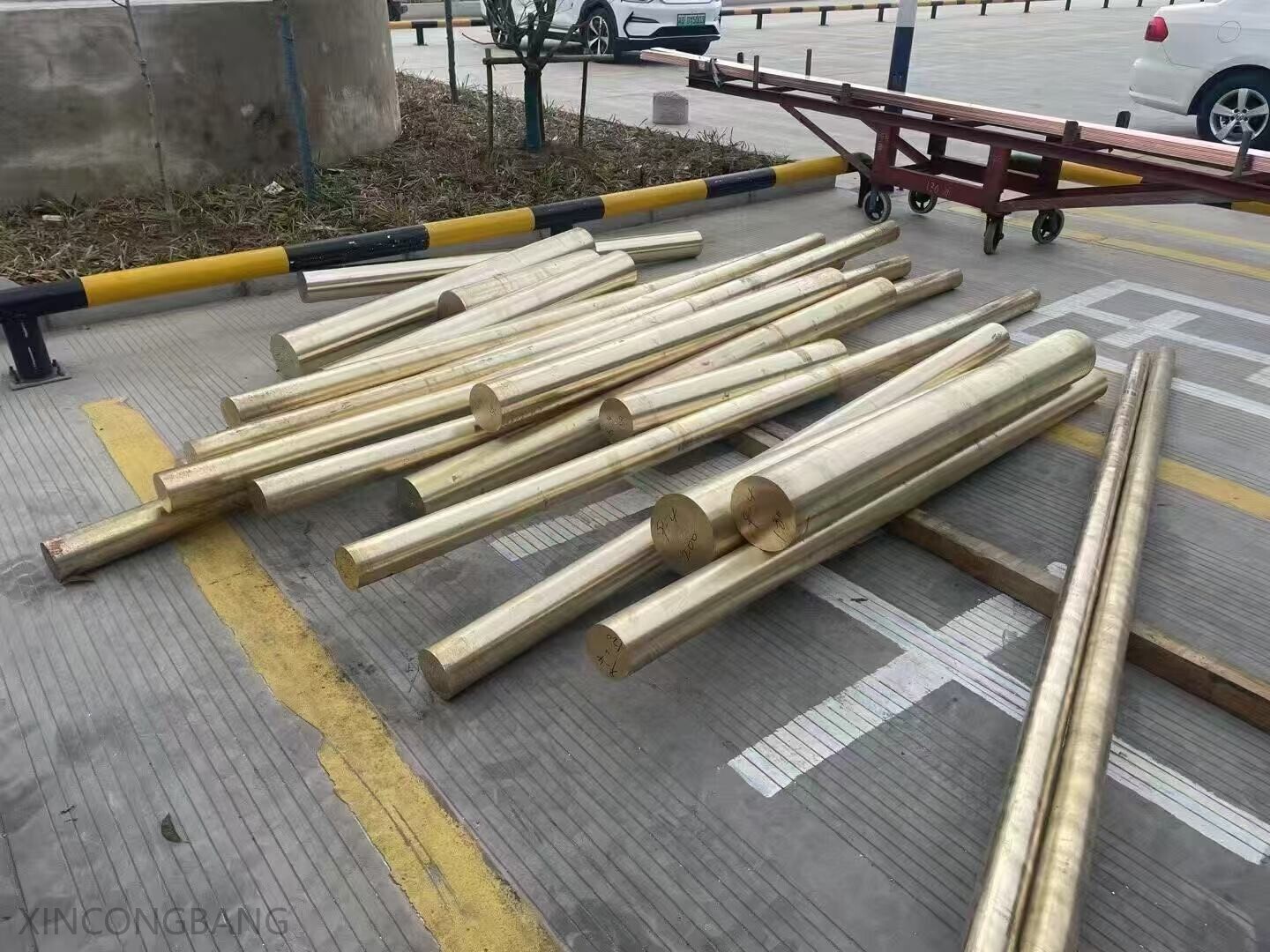
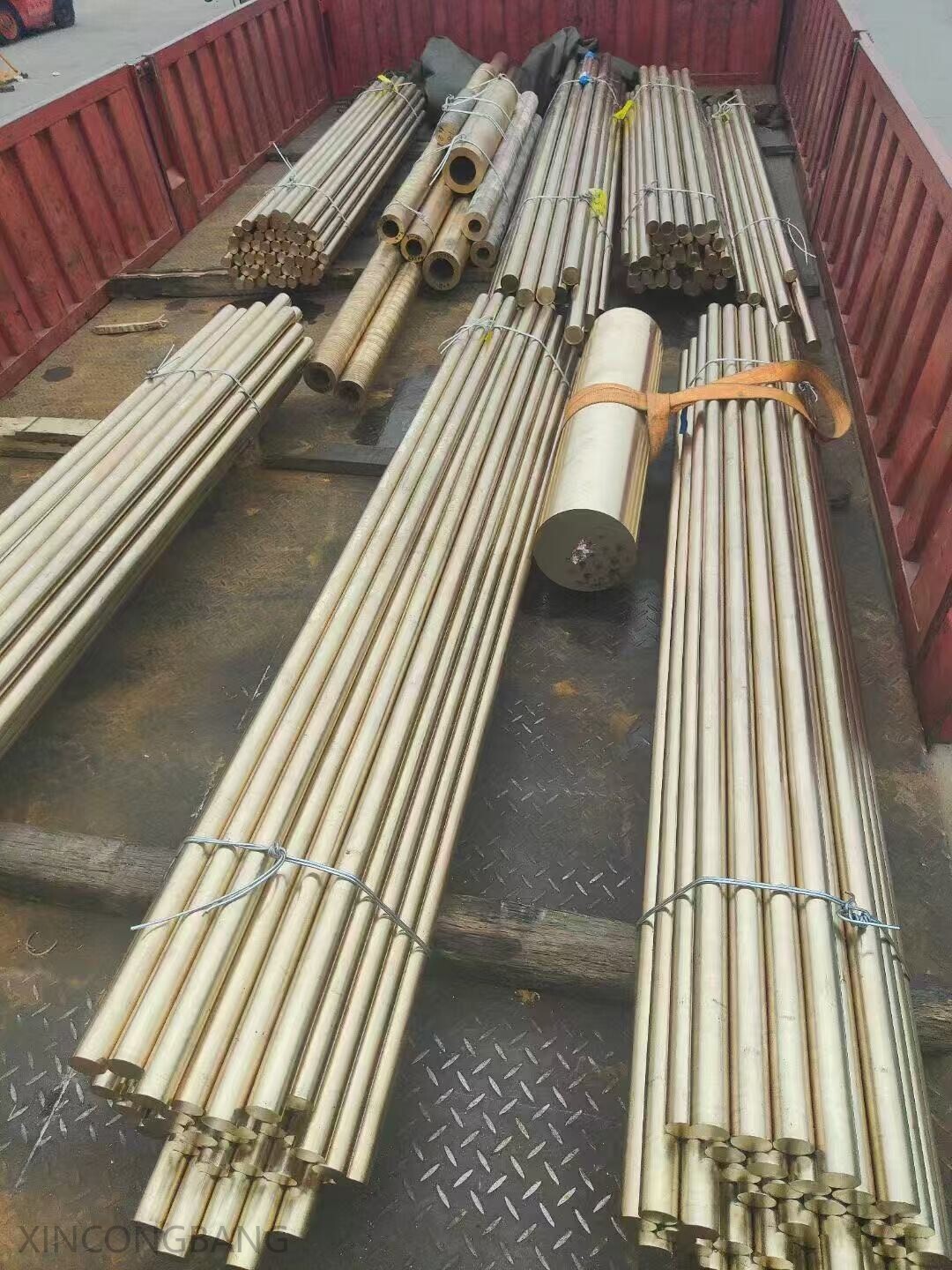
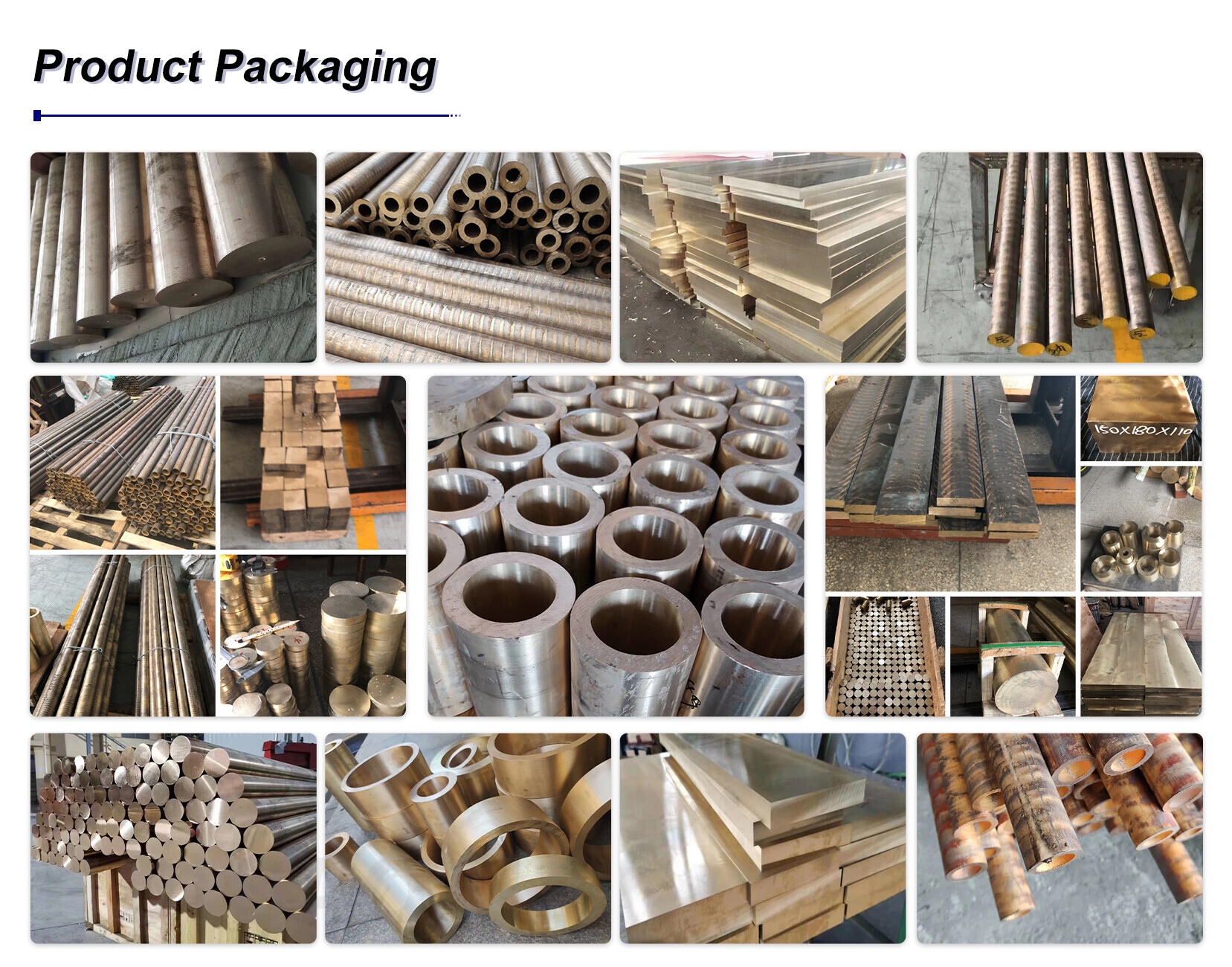
C51000 rods are available in round, hexagonal, square, or rectangular cross-sections. Key dimensional specifications include:
- Diameter:
- Standard range: 3–120 mm (cold-drawn or hot-rolled rods) .
- Customizable range (supplier-dependent): 1.0–200 mm .
- Length:
- Standard straight rods: 500–5,000 mm .
- Custom lengths: Up to 6,000 mm (depending on manufacturing capabilities) .
International Standards for C51000 Copper Rod
C51000 rods comply with the following standards, which define composition, mechanical properties, and dimensional tolerances:
- ASTM B139/B139M:
- Specifies requirements for phosphor bronze rod, bar, and shapes (including C51000) in terms of chemical composition, tensile strength, and dimensional tolerances .
- EN 12164:2016:
- European standard for free-machining copper alloy rods, covering dimensional tolerances (e.g., diameter, straightness) and mechanical properties for applications in precision engineering .
- JIS H 3250:1992:
- Japanese Industrial Standard for copper and copper alloy rods/bars, including requirements for cross-sectional accuracy, surface finish, and mechanical performance (e.g., tensile strength ≥410 MPa, yield strength ≥205 MPa) .
Chemical Composition
C51000 is a tin-phosphor bronze alloy primarily composed of copper (Cu) with controlled additions of tin (Sn) and phosphorus (P). The chemical composition adheres to ASTM standards (e.g., B139, B103) and is summarized below:
- The synergy between Sn and P enhances elasticity and stress-relaxation resistance while retaining moderate electrical conductivity (~15–28% IACS) .
- Trace impurities are tightly controlled to avoid compromising mechanical or corrosion properties.
Mechanical Properties
C51000 exhibits a balance of strength, ductility, and spring-like resilience, making it ideal for dynamic applications. Properties vary significantly with temper (e.g., annealed, cold-worked).
2.1 Typical Mechanical Properties
2.2 Thermal and Electrical Properties
Performance Influencers
- Cold Working: Enhances strength and hardness but reduces ductility. C51000 has excellent cold-forming capabilities .
- Annealing: Performed at 482–677°C (900–1,250°F) to restore ductility after cold working .
- Limitations: Poor hot-working capacity, susceptibility to stress-corrosion cracking in harsh environments, and limited high-temperature performance (max service ~190°C) .
C51000 copper rod production process and product advantages:
1. Production process
Raw material smelting and continuous casting
Use waste brass, waste copper and zinc ingots and other raw materials, smelt through industrial frequency furnace, and add slag remover to improve purity. The smelted copper water is treated in an insulation furnace and enters the continuous casting process to form a continuous casting billet.
2. Extrusion molding
The core process uses reverse extrusion technology (such as 38MN reverse extruder) to deform the copper ingot through high-pressure extrusion to form a high-density, high-strength copper rod billet. This technology can cover the production of multiple grades, with a single ingot weight of nearly 1 ton, significantly improving the yield rate.
Surface treatment and cold processing
After hot extrusion, the continuous casting billet needs to be skinned to remove the oxide layer, and further formed by cold processing (such as stamping, stretching, sawing). Annealing is required after cold processing to restore the ductility of the material.
Annealing and finishing
The annealing process (heating at 400℃~800℃ and natural cooling) is used to eliminate internal stress and improve material properties. Finally, the surface finish is ensured through finishing treatments such as grinding and polishing.
Environmental protection and high-efficiency technology
The production process integrates variable frequency energy-saving motors, natural gas and electric two-stage heating, online production units, etc., shortening the process and reducing energy consumption, meeting environmental protection requirements.
2. Product advantages
Excellent physical properties
High electrical conductivity and thermal conductivity: The electrical conductivity is close to that of pure copper, suitable for electronic appliances and heat exchange fields.
High strength and high elasticity: The cold working hardening effect is significant, and the fatigue resistance is strong, which is suitable for high-load components such as springs and diaphragms.
Wear resistance and corrosion resistance: Phosphorus improves corrosion resistance, especially in humid or chemical environments.
Processing adaptability
Excellent cold processing: easy to stamp, stretch and other forming, and good ductility recovery after annealing, suitable for complex parts manufacturing.
High dimensional accuracy: Reverse extrusion and online full-circle sizing technology reduce surface damage, and the yield rate is as high as the industry-leading level.
Environmental protection and economy
Short process technology: Reduce energy consumption and waste, in line with the trend of green manufacturing.
Cost advantage: It is more cost-effective than beryllium copper and is suitable for large-scale applications in medium-load scenarios.
Wide range of application areas
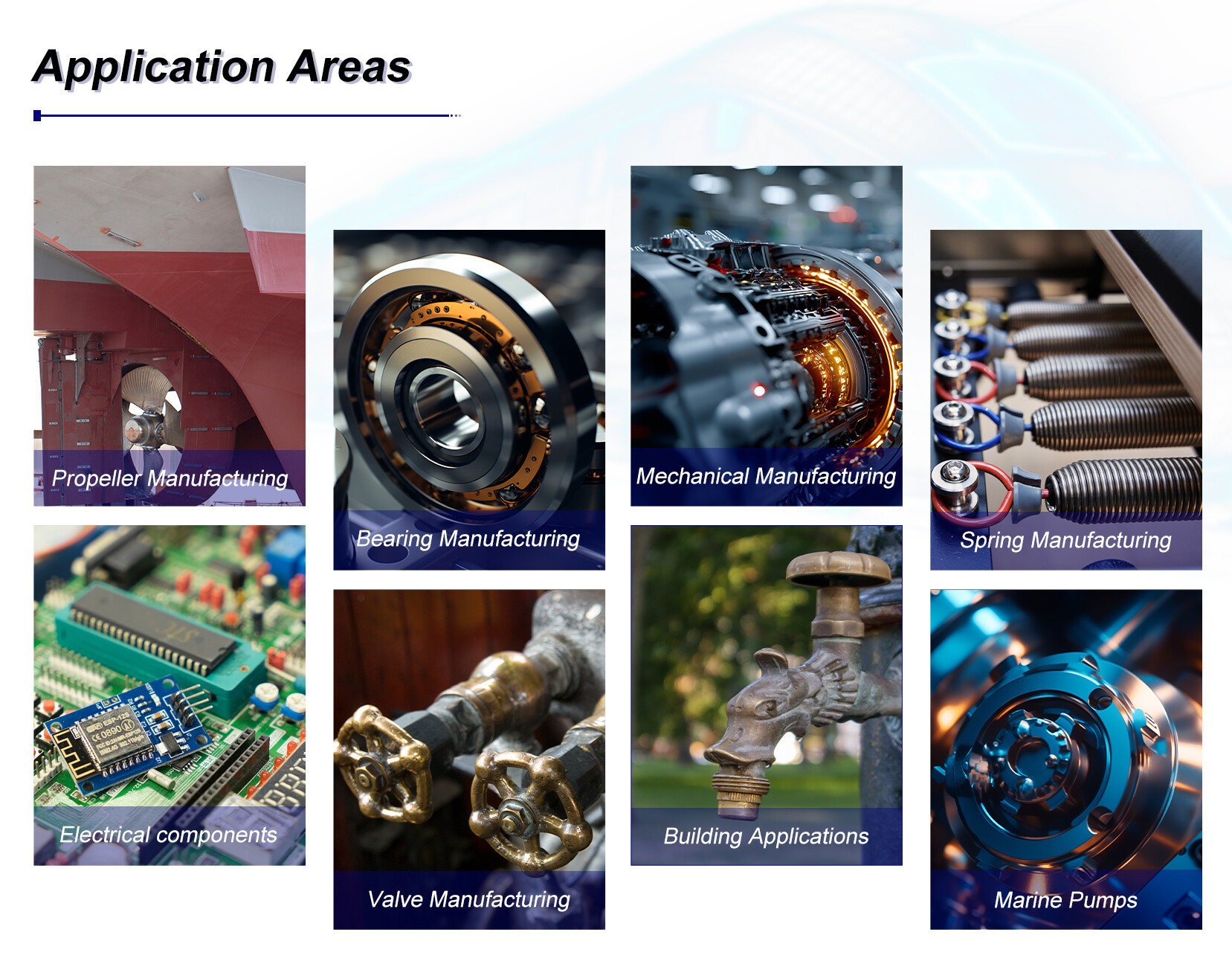
Covering electronics and electrical (connectors, relays), precision machinery (bearings, gears), automotive industry (clutch discs), musical instruments (reeds), construction and shipbuilding, etc.
Q1:Do you provide samples? Is it free or extra?
A1:Yes, we can provide samples free of charge and the customer will pay the freight.
Q2:What if I don't have export experience ?
A2:We have reliable forwarder agent which can ship items to you by sea/air/Express to your doorstep. Any way, we will help you choose the most suitable shipping service.
Q3:How long is your lead time?
A3:If it is in stock, it is usually 5-10 days. Or, if there is no inventory, 15 days, depending on the quantity.
Q4:What are your terms of payment?
A4:30% T/T deposit in advance, 70% T/T balance within 5 days after B/L copy, 100%.Irrevocable L/C at sight, 100% Irrevocable L/C after receive B/L 30-120 days, O/A.
Q5:How is your technical support?
A5:We provide lifetime online support through Whatsapp/ Skype/ Wechat/ Email. Any problem after delivery, we will offer you call anytime.
Welcome To Your Inquiry
What can we help you?