‹
›
‹
›
Detailed Dimensions of C93700 Copper Rod
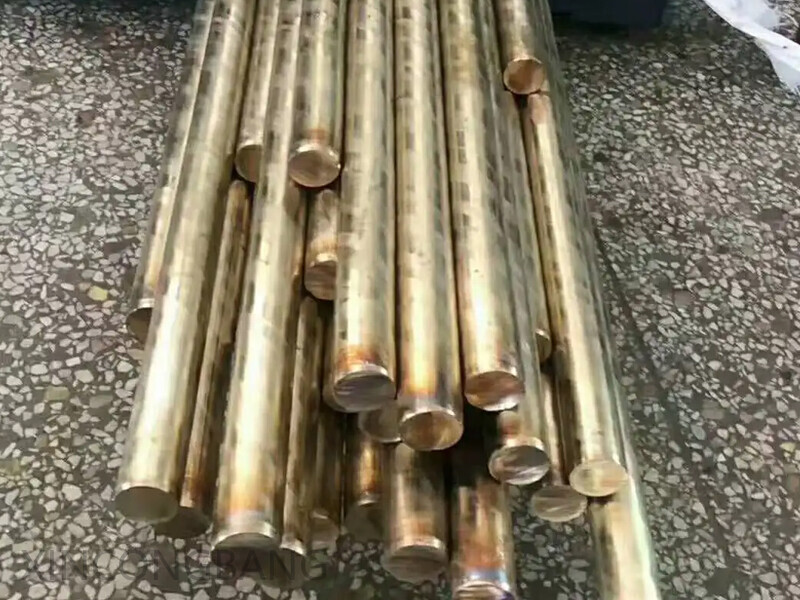
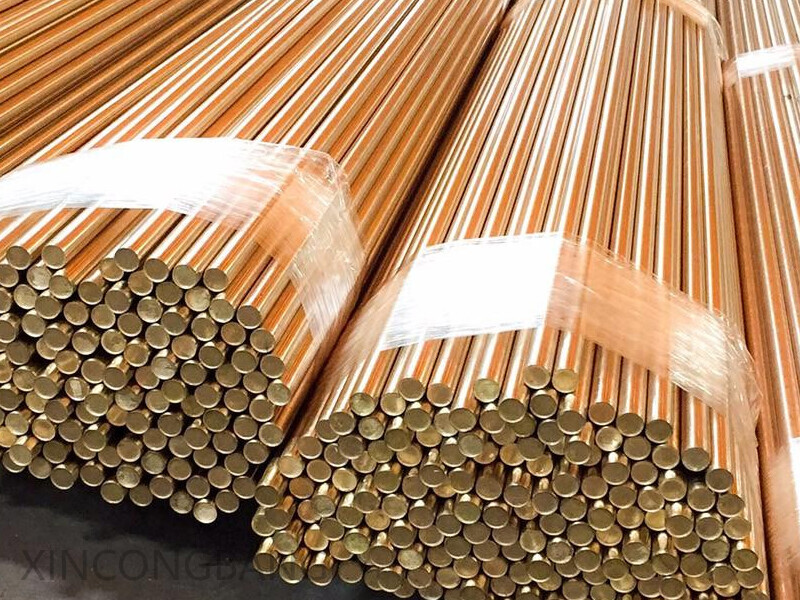
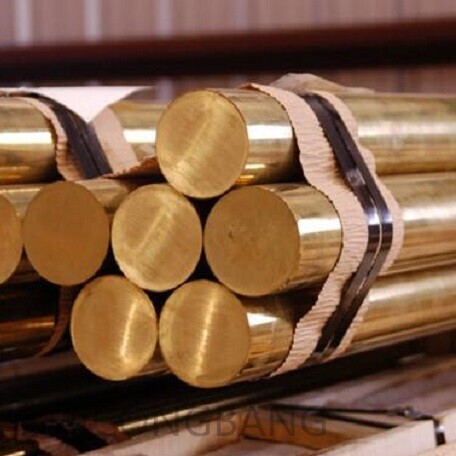
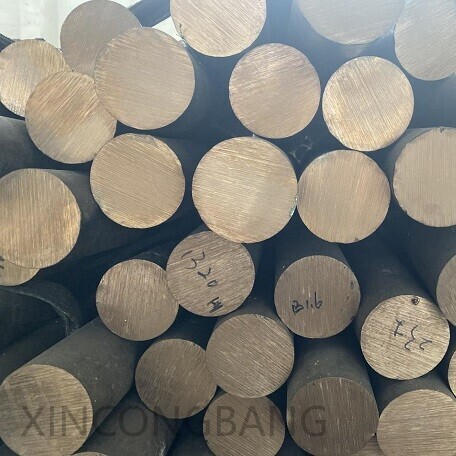
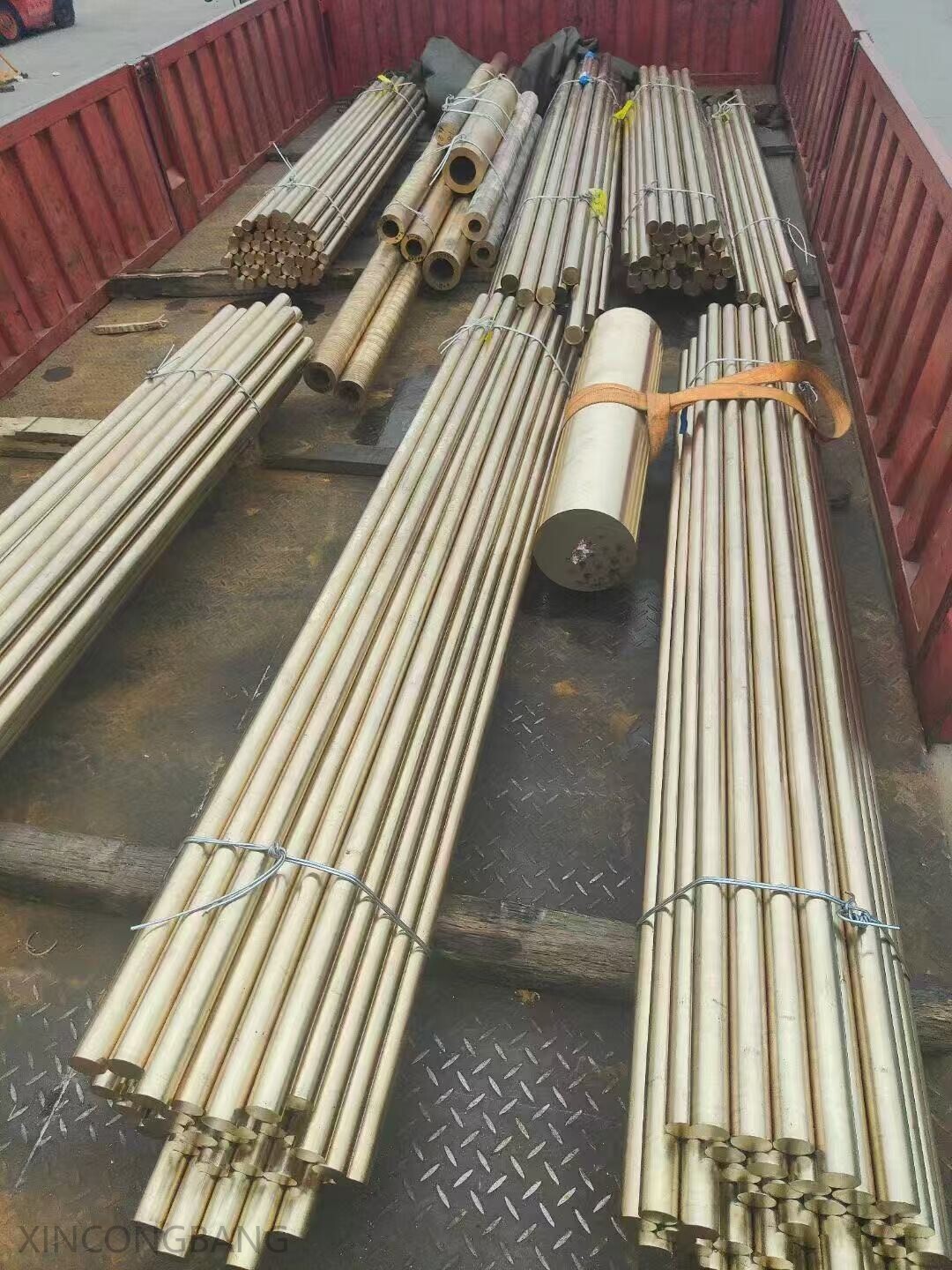
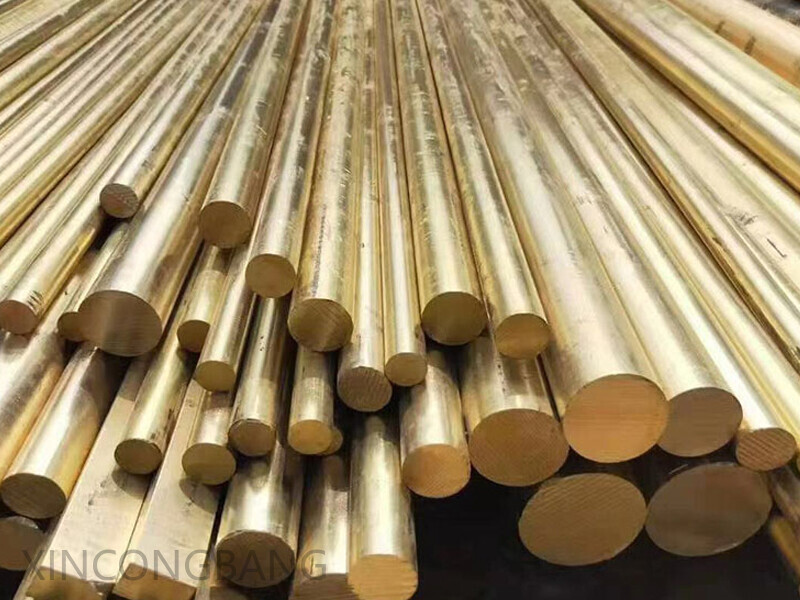
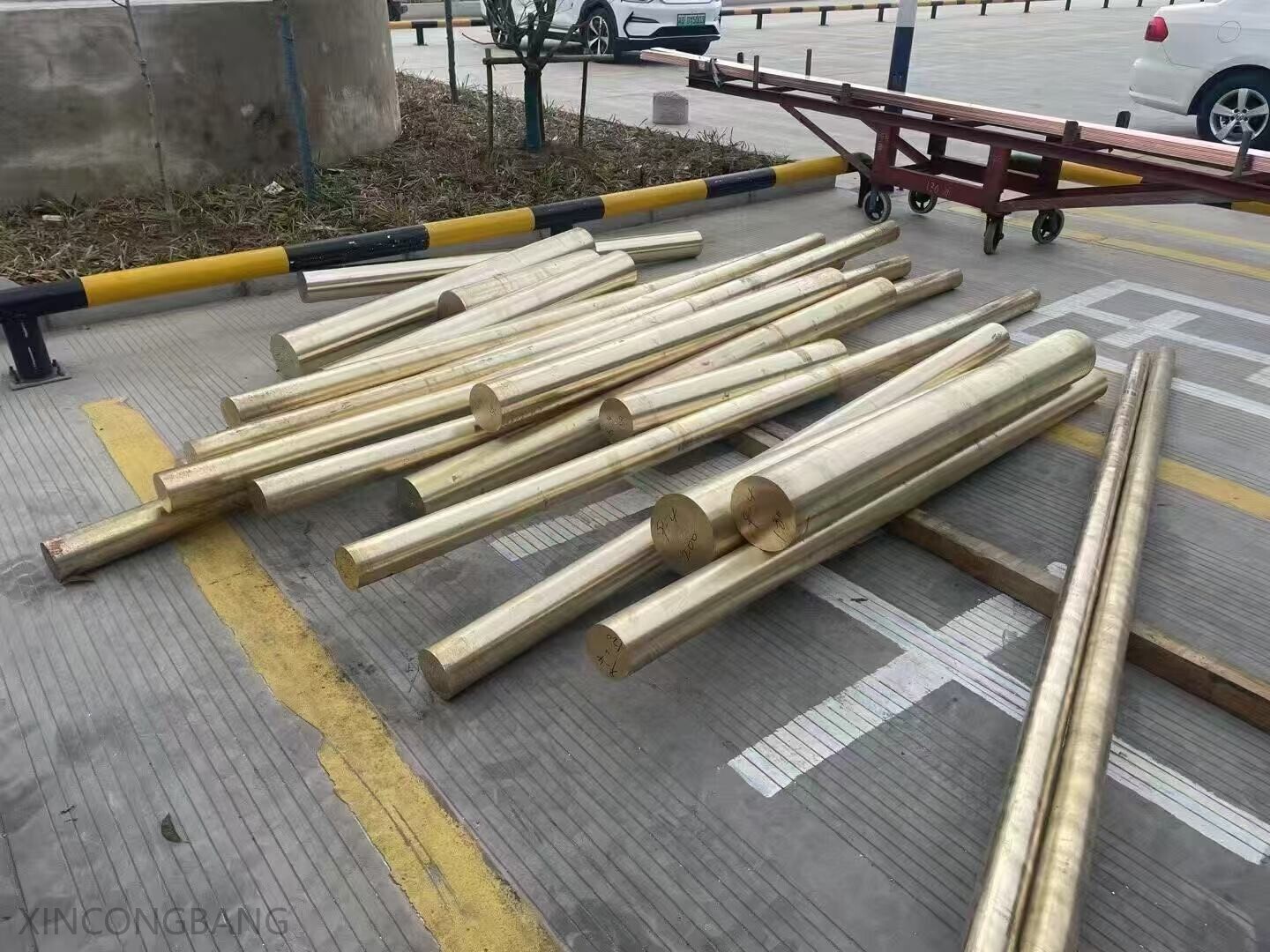
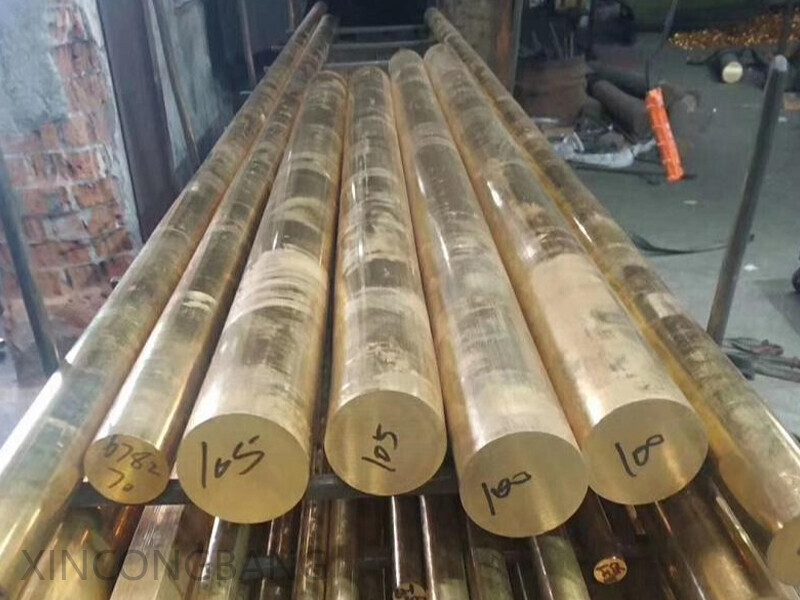
C93700 copper rods are primarily available in round bar form:
- Diameter: Common diameters range from 10 mm to 100 mm (0.4–3.9 inches), with larger sizes available upon customization .
- Length: Standard lengths are 1–6 meters (3.3–19.7 feet), though shorter custom lengths (e.g., 10–1000 mm) can be supplied for specialized uses .
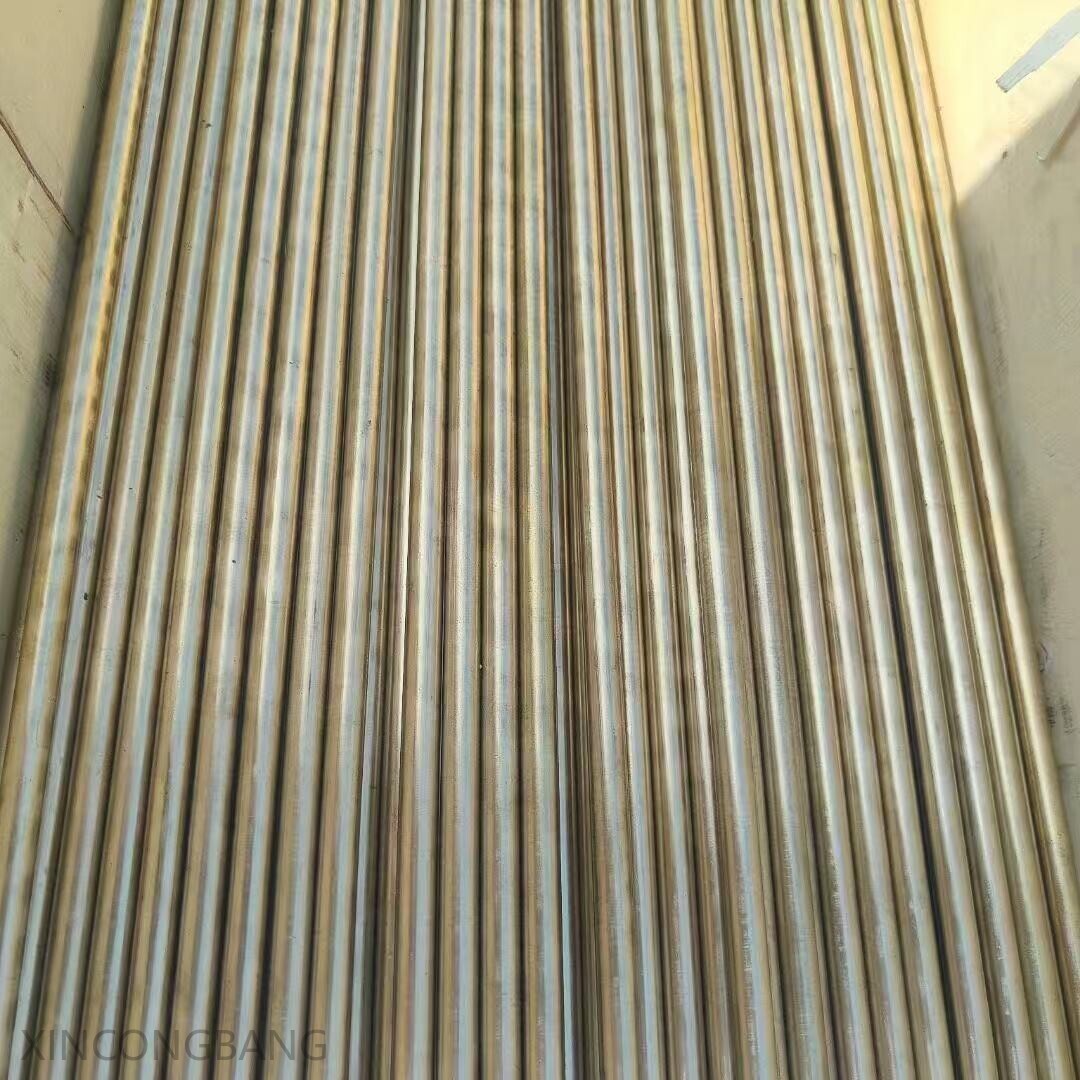
- Surface Finish: Options include bright (polished), cold-drawn, or ground finishes to meet precision requirements .
Note: Other shapes (e.g., hexagonal, square) are excluded per the user’s request.
International Standards for C93700 Copper Rod
C93700 complies with several key international standards, ensuring consistency in material properties and applications:
- ASTM B505/B505M-18: Specifies the requirements for continuous cast copper alloy rod, bar, and sections .
- ASTM B584-2014: Governs copper alloy sand castings, including C93700’s chemical composition and mechanical properties .
- UNS C93700: Unified Numbering System designation for this alloy .
- SAE J461 (SAE 64): Standard for wrought and cast copper alloys .
- International Equivalents:
- JIS LBC3 (Japan)
- DIN CuPb10Sn (Germany)
- BS LB2 (UK) .
Chemical Composition
C93700 is a high-leaded tin bronze alloy primarily used in bearing and high-wear applications. Its chemical composition varies slightly across standards but generally adheres to the following ranges (weight %):
Notes:
- Minor impurities (e.g., manganese, manganese) are typically restricted to trace levels.
- Lead content enhances machinability and self-lubrication .
Mechanical Properties
C93700 exhibits moderate strength with excellent wear resistance, making it suitable for high-friction environments. Key mechanical properties include:
Notes:
- Properties depend on casting methods (e.g., sand casting vs. continuous casting).
Higher lead content reduces tensile strength but improves machinability .
Physical Properties
C93700 copper rod production process
The production process of C93700 copper rod combines traditional copper alloy processing technology with special optimization for its high lead-tin bronze characteristics. The specific process is as follows:
1. Raw material processing and batching
Raw material selection: electrolytic copper (purity ≥99.99%), tin ingots, and lead ingots are the main materials, supplemented by trace elements such as zinc and antimony. Some production processes use scrap copper recycling materials, which need to be removed by manual sorting, magnetic separation and briquetting pretreatment.
Precise ratio: According to the C93700 composition standard (Cu 78-82%, Sn 8.5-11.5%, Pb 7.5-9.5%), the feed ratio is dynamically adjusted to ensure that the element content meets the ASTM B584 standard.
2. Melting and alloying
High temperature smelting: Heat to 1200-1400℃ in an electric furnace or induction furnace to completely melt the raw materials. At this stage, a slag remover (such as borax) needs to be added to remove oxides and impurities.
Alloying control: Trace elements such as zinc and antimony are added in the later stage of smelting, and the composition is detected in real time by a spectrometer. If necessary, electrolytic copper or tin-lead is added for adjustment.
3. Molding process
Casting molding: Using a continuous casting machine or sand casting, the molten copper liquid is cast into a rod billet within the hot working temperature range of 750-850℃, and the cooling water circulation accelerates solidification.
Plastic processing: Improve the microstructure through rolling (diameter adjustment), drawing (strength improvement) and extrusion (complex cross-section molding), in which the hot rolling temperature is controlled at 700-800℃ to maintain the ductility of the material.
4. Post-processing and finishing
Annealing treatment: Stress relief annealing is performed at 550-650℃ to eliminate work hardening and restore the toughness of the material.
Surface treatment: Including drawing (removing oxide scale), pickling (surface cleaning), polishing and oiling for anti-oxidation, ensuring that the surface roughness Ra≤1.6μm.
Dimensional finishing: The final forming is completed by straightening machine (straightness error ≤ 0.5mm/m) and CNC sawing (length tolerance ± 0.5mm).
5. Quality inspection and environmental protection measures
Full process inspection: covering chemical composition analysis (ICP spectrum), mechanical property test (tensile strength ≥ 295MPa, elongation ≥ 25%) and flaw detection (eddy current/ultrasonic).
Environmental protection treatment: smelting flue gas is dusted by bag filter (efficiency ≥ 99%), metal elements are recovered from waste slag, and the cooling water recycling rate reaches more than 95%.
Product advantages of C93700 copper rod
1. Excellent mechanical properties
High strength and wear resistance: tensile strength 295MPa, hardness HB60, lead particles form a self-lubricating film, friction coefficient as low as 0.1-0.15, suitable for high-speed heavy-load bearings.
Excellent ductility: elongation 25%, can withstand complex hot and cold processing (such as cold heading, stamping).
2. Unique physical and chemical properties
Corrosion resistance: The corrosion rate in seawater and acidic media is ≤0.02mm/year, which is better than ordinary bronze.
Stable thermal performance: thermal conductivity 46.9W/(m·K), thermal expansion coefficient 17.8×10⁻⁶/K, suitable for high temperature environment (strength retention rate ≥90% at 400℃).
3. Processing and economic advantages
Easy processing: 8-10% lead content improves cutting performance (cutting force is reduced by 30%), suitable for precision turning and milling.
Cost-effectiveness: The utilization rate of scrap copper is 60%, which reduces the raw material cost by 15-20% compared with similar alloys
.
Q1:Do you provide samples? Is it free or extra?
A1:Yes, we can provide samples free of charge and the customer will pay the freight.
Q2:What if I don't have export experience ?
A2:We have reliable forwarder agent which can ship items to you by sea/air/Express to your doorstep. Any way, we will help you choose the most suitable shipping service.
Q3:How long is your lead time?
A3:If it is in stock, it is usually 5-10 days. Or, if there is no inventory, 15 days, depending on the quantity.
Q4:What are your terms of payment?
A4:30% T/T deposit in advance, 70% T/T balance within 5 days after B/L copy, 100%.Irrevocable L/C at sight, 100% Irrevocable L/C after receive B/L 30-120 days, O/A.
Q5:How is your technical support?
A5:We provide lifetime online support through Whatsapp/ Skype/ Wechat/ Email. Any problem after delivery, we will offer you call anytime.
Welcome To Your Inquiry
What can we help you?